
Maximising Employee Performance: Lifting Engagement, Retaining Talent and Driving Results
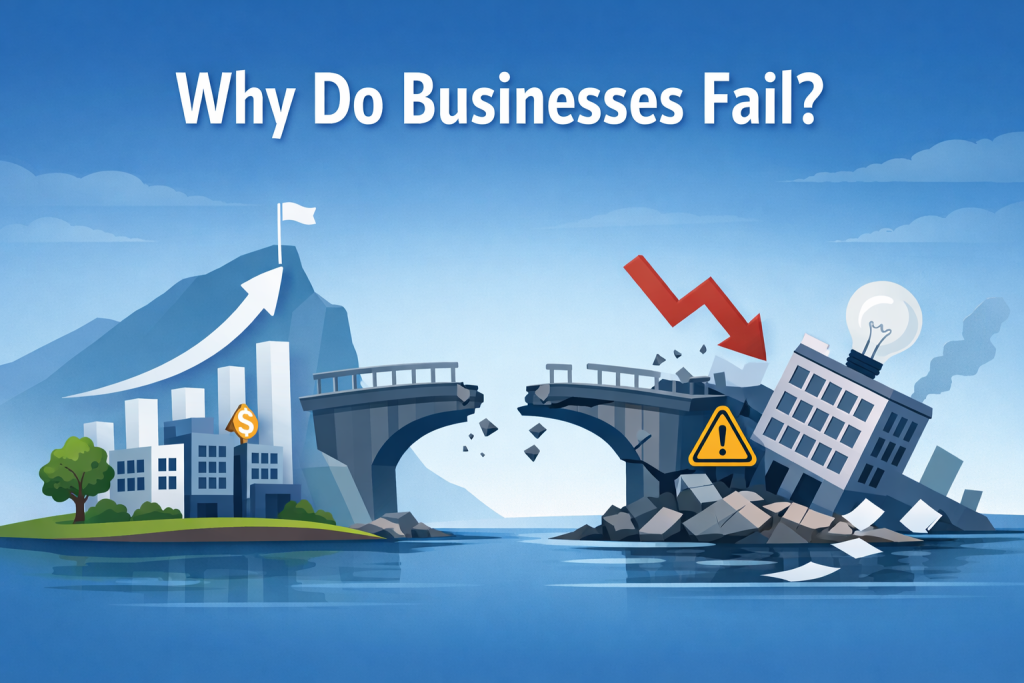
Most business owners don’t lie awake at night worrying about ‘employee engagement scores’.
What keeps them up is different, why:
- They’re still the decision bottleneck
- Standards slip the moment they step away
- Some staff seem busy but don’t really move the business forward.
And why replacing a good employee feels harder, riskier and more expensive every year.
Employee performance isn’t a people problem in isolation. For owner-operated businesses, it’s a commercial issue that directly affects time, profit, risk and long-term business value.
The Owner Reality: When the Business Leans Too Heavily on You
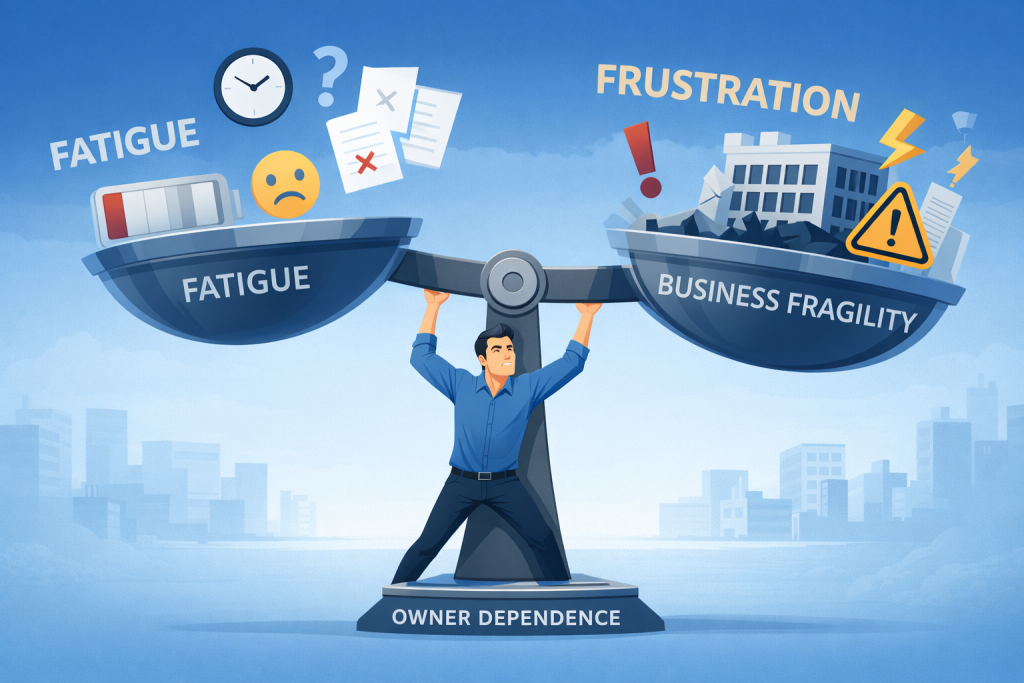
In many Australian owner-operated businesses, the owner quietly carries more than they should. They:
- Recheck work that should be right the first time
- Step in to fix issues others should resolve
- Make decisions that their team is capable of making, but won’t.
Over time, this creates a dangerous dynamic. The business becomes dependent on the owner, not because the team is incapable, but because the system allows underperformance to persist. The result is usually:
- Frustration
- Fatigue
- A business that feels fragile instead of scalable.
Employee performance sits at the centre of this tension.
Why Employee Performance Matters Commercially
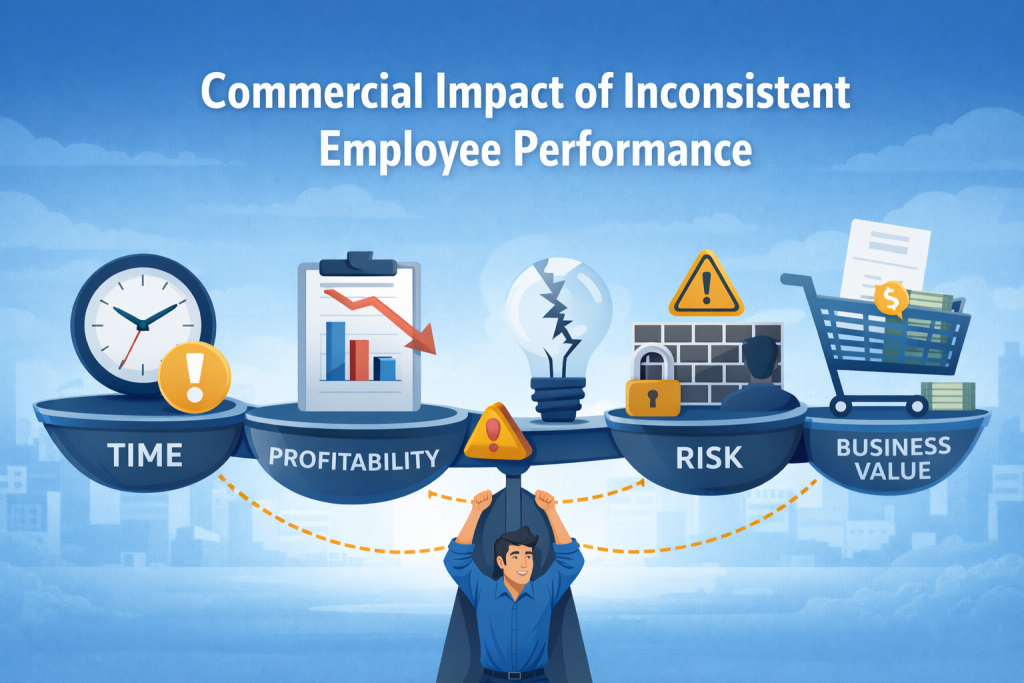
When employee performance is inconsistent, the cost shows up in ways owners feel immediately:
Time: You become the default problem-solver. Strategic thinking is crowded out by operational noise.
Profitability: Rework, errors, inefficiency and supervision quietly erode margins.
Risk: Key knowledge sits with individuals instead of the business. Staff turnover becomes a genuine operational threat.
Business Value: A business that relies on the owner to manage people, quality and outcomes is harder to scale, harder to sell and harder to step away from.
This is why performance isn’t about motivational posters or perks. It’s about how the business is designed and led.
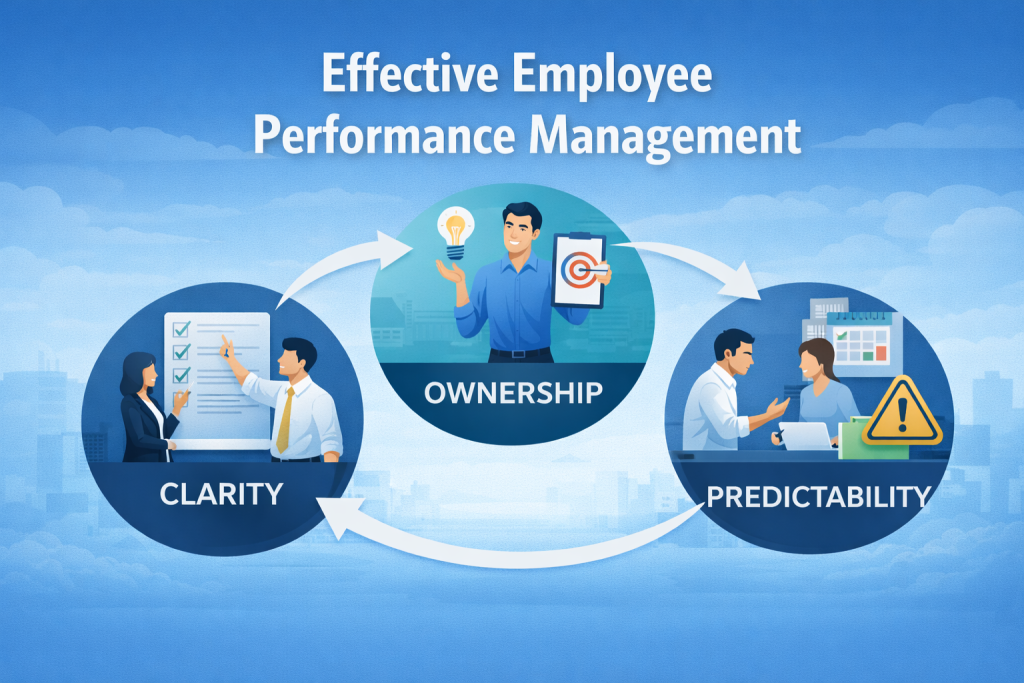
Principle 1: Most Performance Issues are Structural, Not Personal
What owners often get wrong is assuming underperformance is about attitude. In reality, many employees underperform because:
- Expectations are unclear
- Standards aren’t consistently enforced
- Accountability is vague or reactive.
Well-run businesses do this differently. They invest time upfront in clarity:
- What ‘good’ actually looks like
- What outcomes matter most
- Where decision-making authority sits.
When structure replaces assumptions, performance improves without drama. This kind of clarity is a foundational element of effective business strategy, not just people management
Principle 2: Engagement Follows Ownership, Not the Other Way Around
Many owners try to ‘lift engagement’ first. They add incentives, flexibility or benefits, hoping performance will follow.
In strong businesses, the sequence is reversed. People are engaged because:
- They understand their role
- They have genuine responsibility
- Their decisions actually matter.
Engagement grows when people are trusted to own outcomes – not just complete tasks. This shift is uncomfortable for owners who are used to controlling outcomes, but it’s essential to reducing owner dependency over time.
Principle 3: Retention is About Predictability, Not Personality
Good people don’t usually leave because the work is hard. They leave because the environment is unpredictable. Common drivers of unwanted turnover include:
- Inconsistent decision-making
- Moving goalposts
- Poorly handled underperformance by others.
High-performing businesses create stability by being consistent:
- Standards are enforced fairly
- Feedback is regular and measured
- Poor performance is addressed early.
This predictability reduces risk and protects institutional knowledge – a key consideration for owners thinking about succession or exit.
Principle 4: Performance Improves When Owners Step Back (Properly)
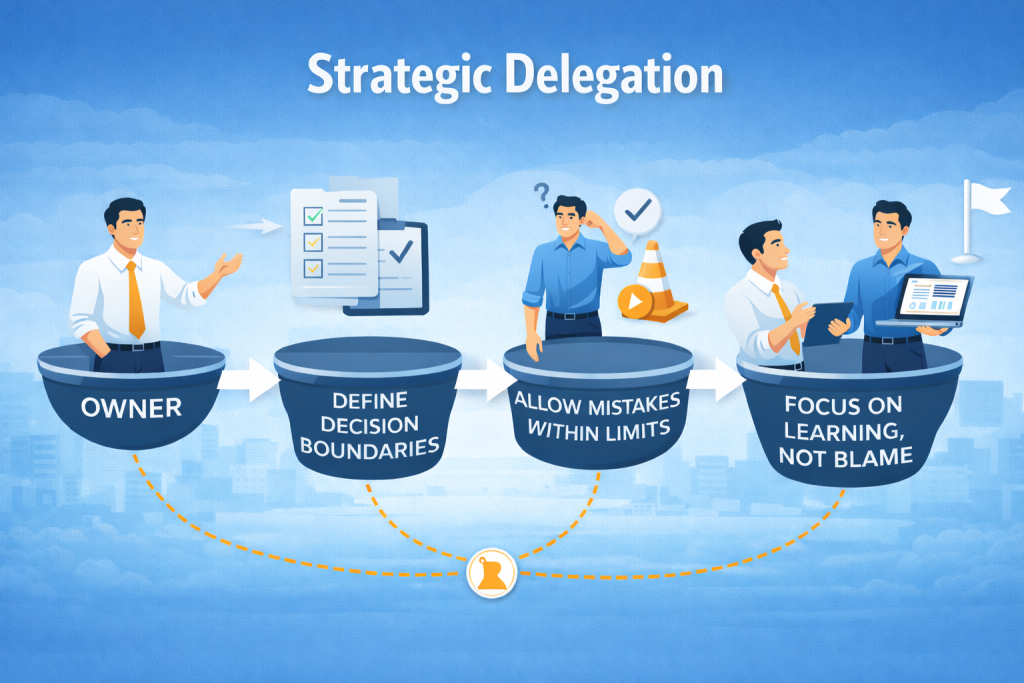
One of the hardest transitions for owners is learning when not to step in. Constant intervention:
- Undermines accountability
- Trains people to escalate instead of solving issues
- Reinforces owner dependency.
Well-run businesses are deliberate about this transition. They:
- Define decision boundaries
- Allow mistakes within agreed limits
- Treat issues as an opportunity to learn rather than blame.
This is where an experienced business advisor’s support often adds the most value – helping owners design structures that work without constant oversight.
Principle 5: Capability Must Match the Business You’re Trying to Build
Many businesses outgrow their team structure before they realise it. People who were right for the business at one stage may struggle as complexity increases. Avoiding this reality creates drag across the entire organisation.
Strong owners ask harder questions:
- Do we have the right capability for the next phase?
- Are the roles still fit for purpose?
- Where do we need to invest, redesign or change?
This isn’t about being ruthless, it’s about being honest and protecting the future of the business.
Principle 6: Performance is Sustained Through Continuous Improvement
High performance isn’t set and forget. The most resilient businesses build improvement into their operating rhythm:
- Regular reflection on what’s working
- Willingness to change processes
- Openness to better ways of operating.
This mindset aligns closely with innovation and business improvement, not in a theoretical sense, but as a practical way to stay competitive.
What This Means for You as an Owner
If you feel like:
- the business runs best when you’re in the middle of everything,
- letting go increases risk instead of reducing it, and
- growth feels constrained by your people’s capabilities, then
employee performance isn’t a side issue. It’s central to where the business goes next.
Improving performance is a choice. It requires clarity, consistency and a willingness to change how the business is led – not just how people are managed.
If you’d like help maximising your employees’ performance, call Fortitude Business Consulting on 1300 551 040.