
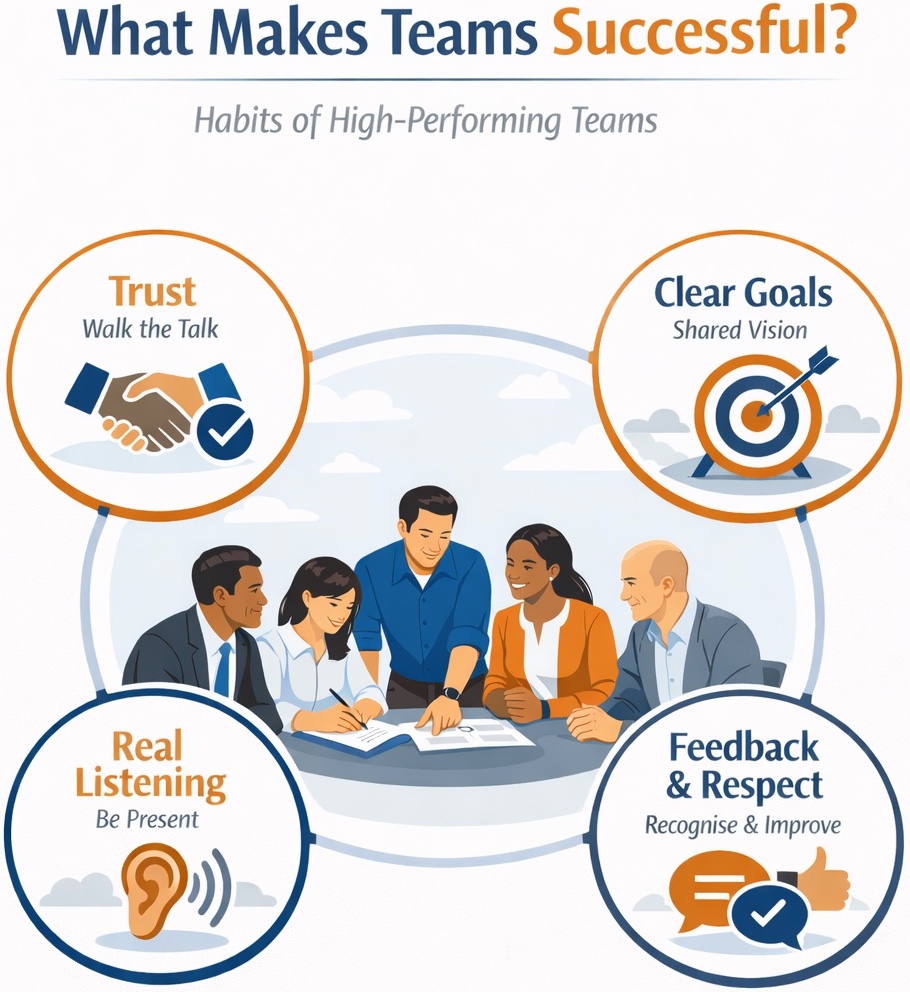
What Makes Teams Successful? The Habits That Turn Groups into High-Performing Teams
For many Australian business owners, the biggest constraint to growth isn’t a lack of opportunity – it’s the reality of running a business that relies too heavily on them.
When teams underperform, owners compensate. They work longer hours, make more decisions themselves and become the bottleneck to progress. Over time, this erodes profitability, lifestyle and ultimately business value.
High-performing teams don’t happen by accident. They are built deliberately, through a small number of consistent habits that compound over time.
If your goal is to move beyond survival and build a business that delivers wealth, security and lifestyle, then developing a high-performing team is not optional – it’s essential.
Why Team Performance Matters More Than Ever for SME Owners
In owner-operated businesses, team performance directly impacts:
- Profitability and cash flow
- The owner’s time, stress and workload
- Scalability and succession readiness
- The long-term value of the business.
A strong team reduces dependency on the owner. A weak team increases it.
From our work with Australian SMEs, we consistently see that businesses with high-performing teams are better positioned to:
- Adapt to change
- Implement strategy
- Innovate
- Sustain growth.
This is not about having ‘nice people’ or working harder. It’s about embedding the right habits. This is where our business advisory services for owner-operated businesses play a key role.
Habit 1: Clear Direction and Aligned Expectations
High-performing teams know exactly: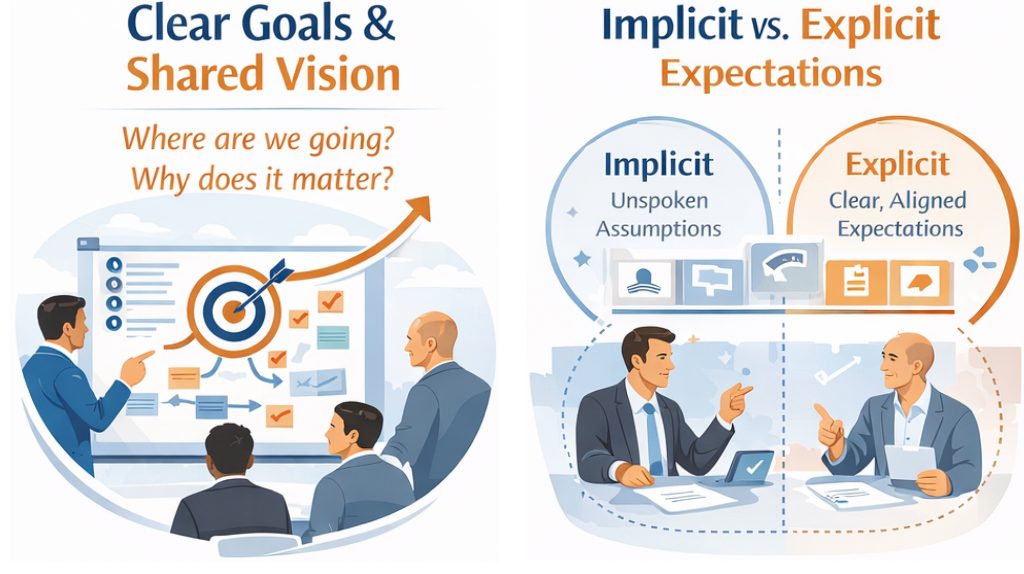
- What the business is trying to achieve
- What success looks like
- How their role contributes to that success.
In underperforming teams, confusion is common. People are busy, but not aligned. Effort is expended without progress. For business owners, clarity starts with:
- A clearly articulated business strategy
- Defined priorities (not too many)
- Clear roles, responsibilities and decision rights.
When people understand why their work matters, accountability improves naturally. Owner insight: If your team can’t explain the business priorities in plain language, alignment doesn’t exist.
Habit 2: Strong Leadership, Not Micromanagement
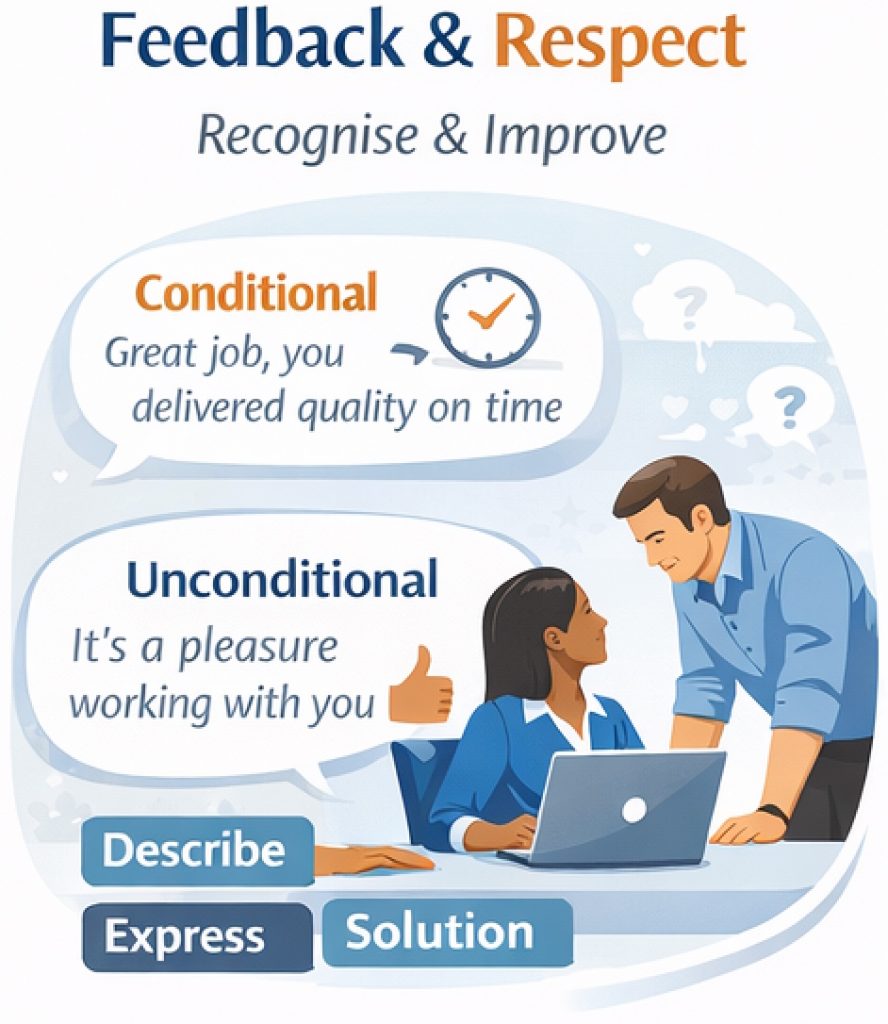
High-performing teams are led – not controlled. Many SME owners fall into micromanagement because:
- They care deeply about outcomes
- They’ve been burned before
- They believe ‘it’s quicker to do it myself’.
In the short term, this feels efficient. In the long term, it destroys capability. Effective leadership means:
- Setting standards and expectations
- Creating psychological safety to speak up
- Allowing people to take responsibility – and occasionally fail.
Strong leaders focus less on activity and more on outcomes. This shift is critical if you want a business that can operate without you being involved in every decision.
Habit 3: Accountability Without Blame
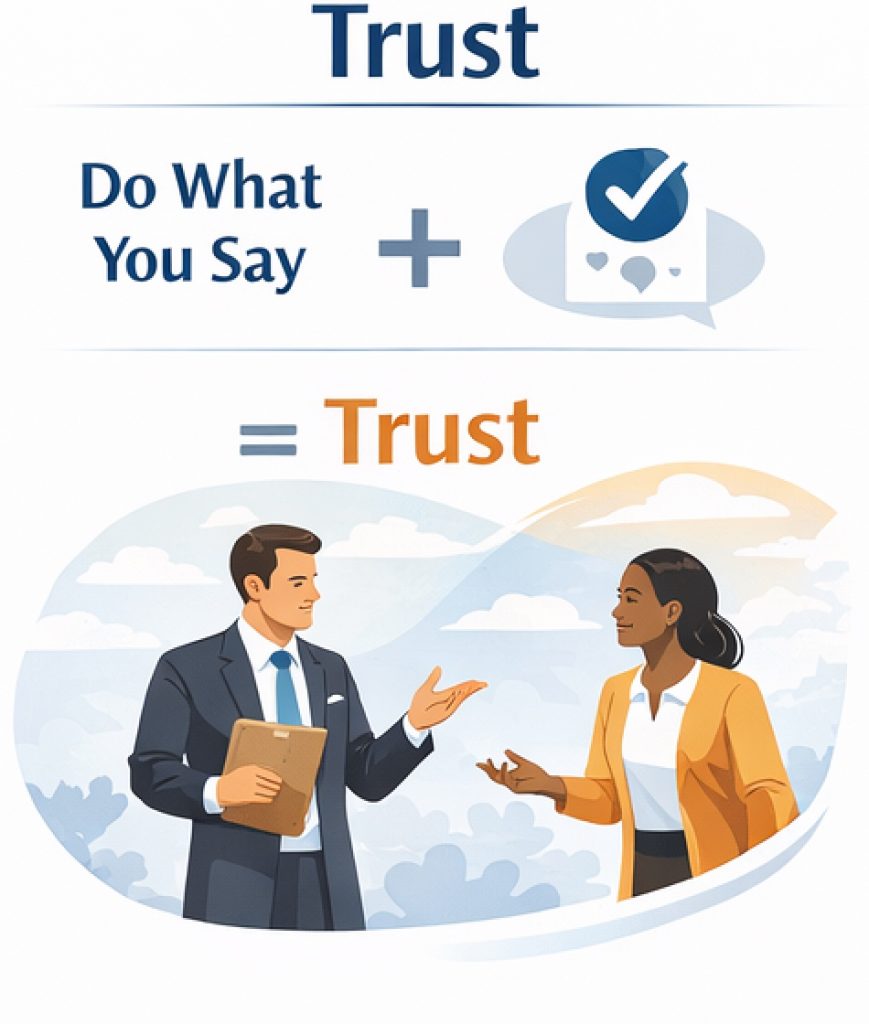
High-performing teams hold each other accountable – without fear. In struggling teams, accountability is often avoided because:
- It feels uncomfortable
- It risks conflict
- Past experiences have created defensiveness.
The result is silent underperformance. Healthy accountability requires:
- Clear performance expectations
- Regular feedback (not annual surprises)
- A culture focused on learning, not blame.
Mistakes become inputs for improvement, not reasons for punishment. This is especially important for businesses seeking to build sustainable systems and processes, rather than relying on heroics.
Habit 4: The Right People in the Right Roles
Even strong leaders struggle with the wrong team structure. High-performing teams are not about having the ‘best’ people – they are about having the right people in roles that suit their strengths. Common SME challenges include:
- Promoting loyal employees into roles that don’t suit them
- Avoiding difficult conversations about performance
- Holding onto people because ‘they’ve been here a long time’.
Over time, this creates drag across the entire business. Strong teams are built through:
- Role clarity
- Capability alignment
- Willingness to make changes when needed.
This is often where external advisory support adds the most value, providing objective insight and structure.
Habit 5: Continuous Improvement and Learning
High-performing teams don’t assume they’ve ‘figured it out’.They regularly ask:
- What’s working?
- What’s not?
- What needs to change?
This mindset is essential in today’s environment, where:
- Customer expectations shift quickly
- Technology evolves rapidly
- Competitive pressure continues to increase.
Teams that stop learning eventually fall behind – regardless of past success. This habit aligns closely with innovation and business improvement, which are critical to long-term competitiveness and business value.
What This Means for Business Owners
If your business still relies heavily on you to:
- Make most decisions
- Solve day-to-day problems
- Drive momentum.
Then team performance is likely your greatest growth opportunity. High-performing teams:
- Reduce owner dependency
- Increase profitability
- Improve lifestyle outcomes
- Strengthen succession and exit readiness.
Building them requires intention, structure and leadership – not guesswork.
Taking the Next Step
At Fortitude Business Consulting, we work with owner-operated businesses to:
- Strengthen leadership capability
- Build aligned, accountable teams
- Develop structures that support growth and sustainability.
If you want to move beyond survival and build a business that works for you, not just because of you, developing a high-performing team is a critical step.
The sooner this becomes a priority, the sooner the business – and your life – begin to change.